

Some of Augusta's most important history is found not on Broad Street but a few blocks away, in the Laney-Walker neighborhood. The Lucy Craft Laney Museum of Black History, located in the former home of educator Lucy Craft Laney, tells the story of a woman who shaped generations of Augusta students and of the community that grew up around her. If you are new to Augusta and want to understand the city more deeply, this museum belongs on your list.
Who was Lucy Craft Laney?
Lucy Craft Laney was born in Macon, Georgia, in 1854. She became one of the most influential educators in the South. In 1886 she founded the Haines Normal and Industrial Institute in Augusta, a school for Black students that became known for its strong academics and for training teachers and nurses. Laney believed deeply in education as a path to opportunity, and her school drew students from across the region. Today her name lives on throughout Augusta, including at Lucy C. Laney High School.
The Laney-Walker neighborhood
The Laney-Walker area is named for Lucy Craft Laney and for the Reverend Charles T. Walker, a nationally known preacher and the founder of Tabernacle Baptist Church. Through the late nineteenth and twentieth centuries, the neighborhood was a center of Black business, church, and cultural life in Augusta. Walking the area today, you will see historic churches, older homes, and ongoing revitalization efforts as the city and community partners work to bring new housing and investment to the neighborhood.
The nearby Bethlehem community shares much of this history. Together these neighborhoods are an important part of the city's story and are close to downtown and the Medical District.
What to expect at the museum
The museum is housed in Laney's historic home. Exhibits focus on her life and work, African American history in Augusta, and the people and institutions that made the community what it is. The museum also hosts events, programs, and community gatherings throughout the year. Because exhibits, hours, and admission can change, check the museum's official website or call ahead before you visit.
Tips for visiting
- Confirm hours ahead of time. Smaller museums often have limited hours or close on certain days.
- Allow time to explore the neighborhood. A short drive or walk around Laney-Walker gives context to what you see inside.
- Visit during Black History Month or special events. February and community celebrations are a great time to go, though any time of year works.
- Bring the kids. The story of a determined teacher who built a school is a meaningful lesson for students of any age.
- Pair it with other history stops. The Augusta Museum of History and the Augusta Canal Discovery Center help fill in the bigger picture of the city.
Why local history matters when you move
When you relocate, it is easy to stick to the highway, the grocery store, and the commute. Taking time to learn the history of your new city helps you understand its neighborhoods, its people, and its traditions. Augusta's story includes the river, the canal, the mills, golf, music, and the communities like Laney-Walker that built institutions and opportunity against long odds. Knowing that history makes Augusta feel less like a dot on the map and more like home.
For more ways to explore, see our Augusta neighborhoods guide and our arts and culture guide.
Live close to Augusta's history
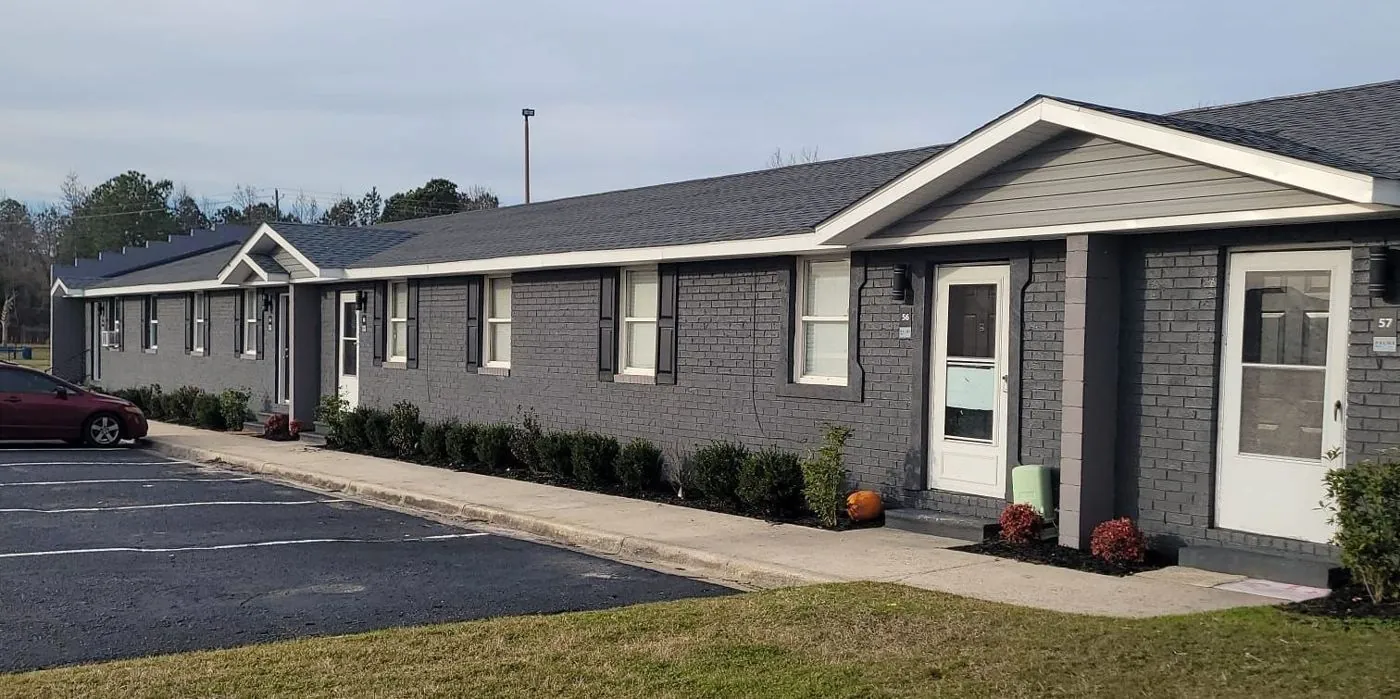
The Palms at Augusta offers two-bedroom, one-bath apartments on Essie McIntyre Boulevard, with straightforward drives to downtown, the Medical District, and historic neighborhoods around the city. Browse apartments in Augusta, GA, see our floor plans, or schedule a tour. Questions? Call (706) 230-2554.
Live at The Palms at Augusta
The Palms at Augusta offers gated two-bedroom apartments at 1750 Essie McIntyre Blvd, Augusta, GA 30904, starting from $850. Call or text (706) 230-2554, schedule a tour, or apply online.